
How Solar Energy Is Transforming Maternal Care in Rural Haiti
In the rural communities of southern Haiti, something as simple as flipping on a light can mean the difference between life and death.
Thanks to the support of The Tony Robbins Foundation and The Zimmer Family Foundation, Hunger Relief International (HRI) has successfully brought reliable solar power to seven rural health centers—transforming the way care is delivered to mothers and newborns in some of the most underserved areas in the country.
The Reality Before Power
For years, healthcare workers in these communities faced an impossible situation. Deliveries were often conducted in dim lighting—or sometimes in complete darkness. Essential medical equipment couldn’t be relied upon. Sterilization processes were inconsistent. Vaccines and medications risked spoiling due to lack of refrigeration. In emergencies, these limitations weren’t just inconvenient—they were dangerous. In a region where maternal and newborn mortality rates remain high, the absence of reliable electricity created a critical gap in care.
A Simple Solution with Life-Saving Impact
HRI set out to address this challenge with a practical, sustainable solution: solar energy. Each of the seven health centers received a customized solar power system designed to meet their specific needs. These systems include solar panels, battery storage for nighttime use, and equipment to protect sensitive medical devices. The result? Continuous, reliable electricity—day and night. No fuel shortages. No interruptions. Just consistent power where it matters most.
More Than Installation—Building Ownership
This project wasn’t just about installing equipment—it was about empowering people. Each facility underwent a detailed energy assessment, and local healthcare workers were trained to operate and maintain the systems. Staff now monitor performance, handle basic maintenance, and take ownership of the technology that supports their work every day. These systems are no longer “external aid”—they are part of the health centers themselves.
The Results: Increased Trust, Better Care
The impact has been immediate and measurable.
- Facility-based deliveries have increased by 13% to nearly 50%, depending on the location
- More women are attending prenatal visits
- Newborn care has improved through better monitoring and follow-up
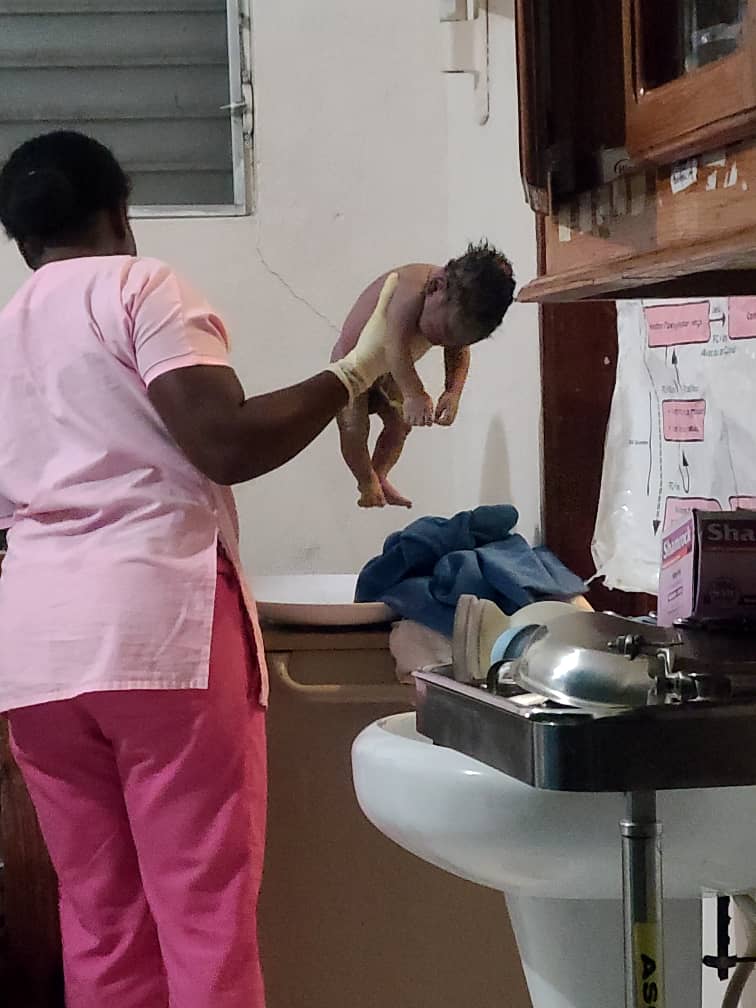
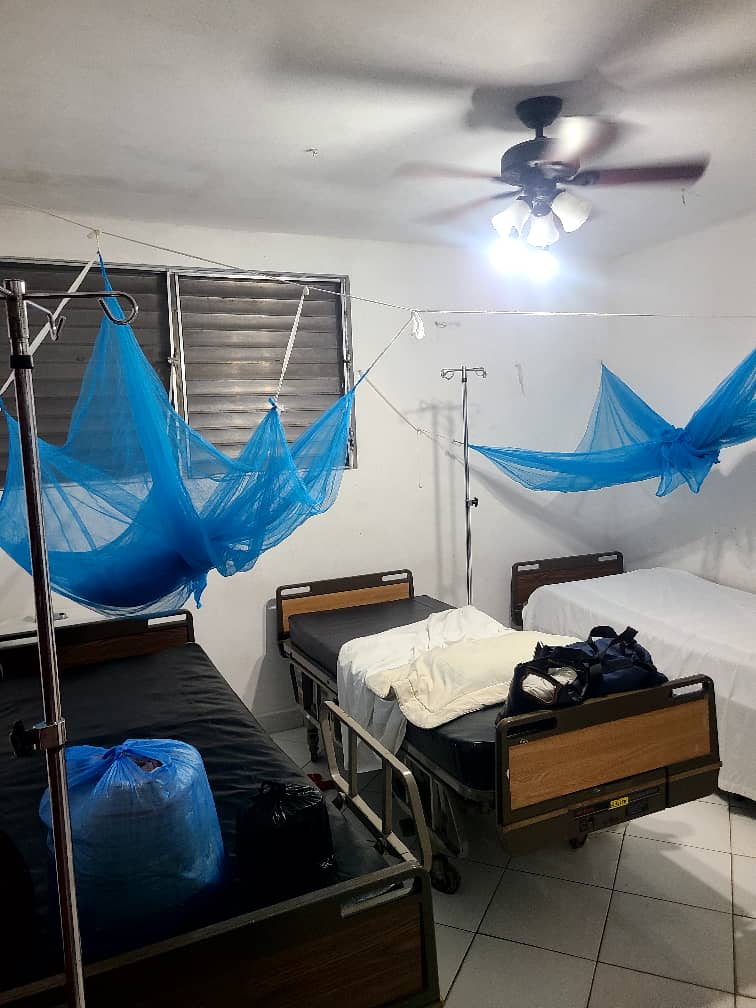
Healthcare workers are now able to perform deliveries in well-lit environments, maintain proper sterilization, and safely store vaccines and medications. Just as important, there’s been a shift in confidence—both among patients and providers. Women who once hesitated to seek care—especially at night—are now choosing to deliver in health facilities, knowing they can receive safe, reliable support.
Saving Lives Through Reliable Power
While real-time mortality data can be difficult to capture, the evidence is clear: When more women deliver in properly equipped facilities—and when providers have the tools they need—lives are saved. By addressing one of the most overlooked barriers to care—electricity—this project is helping reduce preventable maternal and newborn deaths and improving outcomes across entire communities.
A High-Impact Investment
This initiative has created lasting, life-saving change. The return on investment goes far beyond dollars:
- Health systems are stronger
- Communities have renewed trust in care
- Healthcare workers can perform their jobs with confidence
- Operating costs are reduced over time
It’s a powerful reminder that strategic, well-designed solutions can create transformational impact.
Looking Ahead: A Scalable Model
Sustainability has been at the heart of this project from the beginning. Solar energy eliminates dependence on fuel and reduces ongoing costs. Local training ensures long-term system maintenance. And the model itself is highly scalable. Across Haiti—and in similar settings around the world—many health facilities face the same challenges. This project proves there is a solution.
A Future Powered by Possibility
The electrification of these seven health centers is more than a technical upgrade—it’s a transformation in how care is experienced. Where there was once uncertainty, there is now reliability. Where there were limitations, there is now capacity. And where there was risk, there is now greater safety for mothers and newborns.
We are deeply grateful to The Tony Robbins Foundation and The Zimmer Family Foundation for making this work possible. Together, we are not just installing solar panels—we are helping save lives and build stronger, more resilient communities.


